Microphones · Recording · Immersive Audio
Build.
Record.
Listen.
Sound Sleuth, a place to explore new microphone designs, DIY builds, and trying new ways to capture sound. Then sharing ideas, files, and listening experiences that come out of the work.
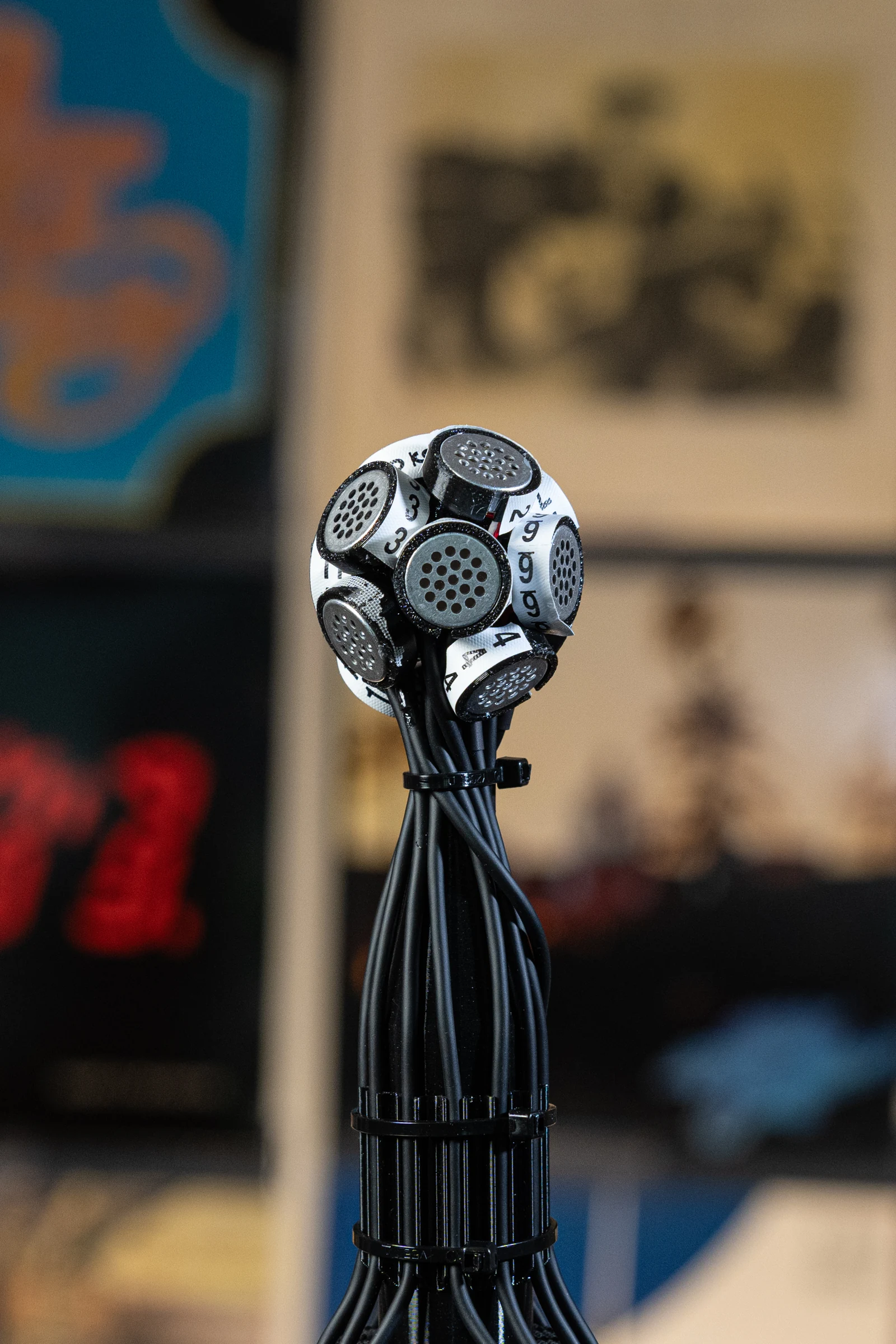
Sound Sleuth is about learning by building. Design it. Build it. Record with it. Listen closely. Push it somewhere new. Then share the results.
Explore Sound Sleuth
Projects, Papers & Microphones
The site brings the practical work together in one place while linking to full builds, AES publications, videos, and microphone kits.
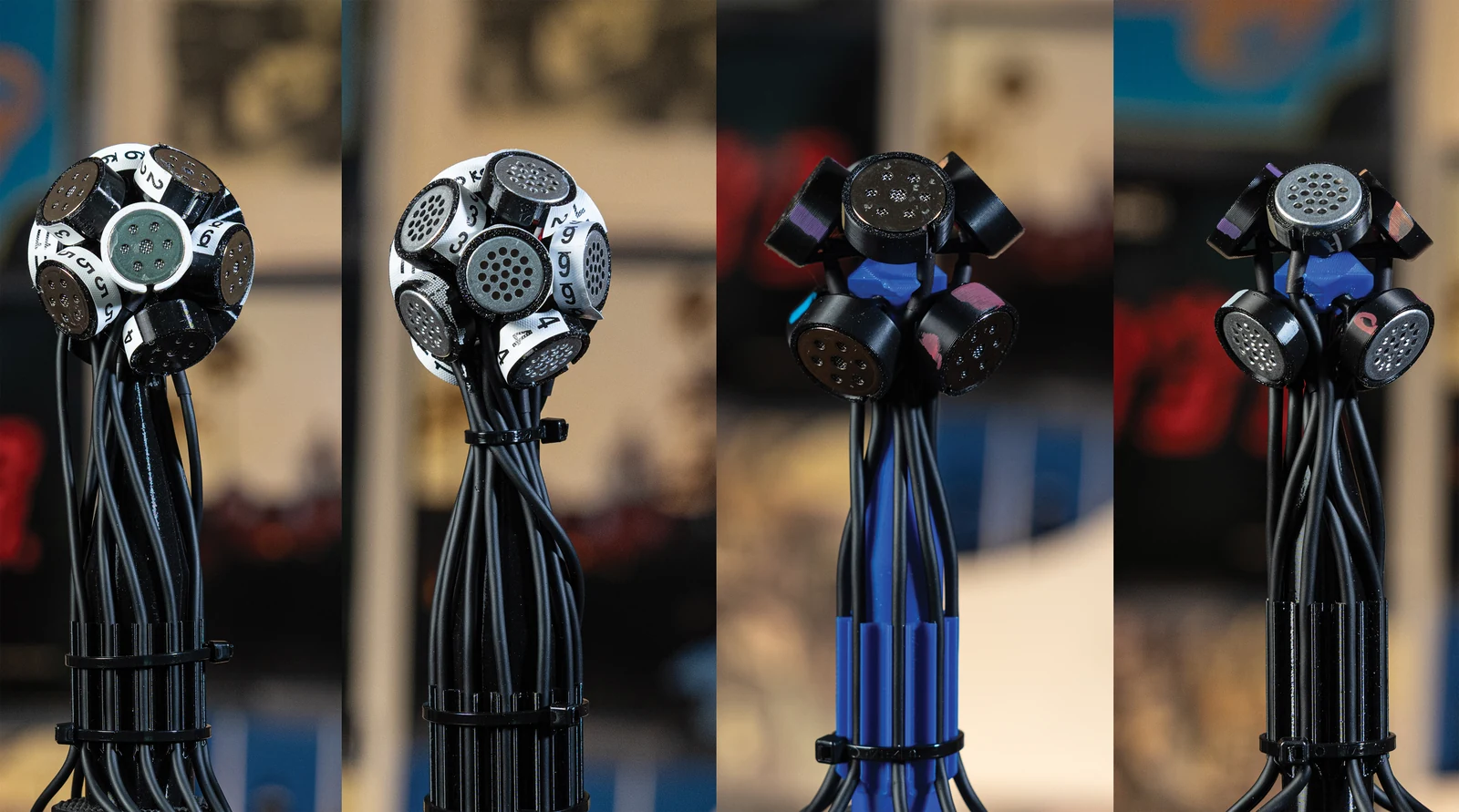
Build, record, experiment.
Ambisonic arrays, condenser microphones, hydrophones, immersive recording and the files needed to build them.
Explore projects →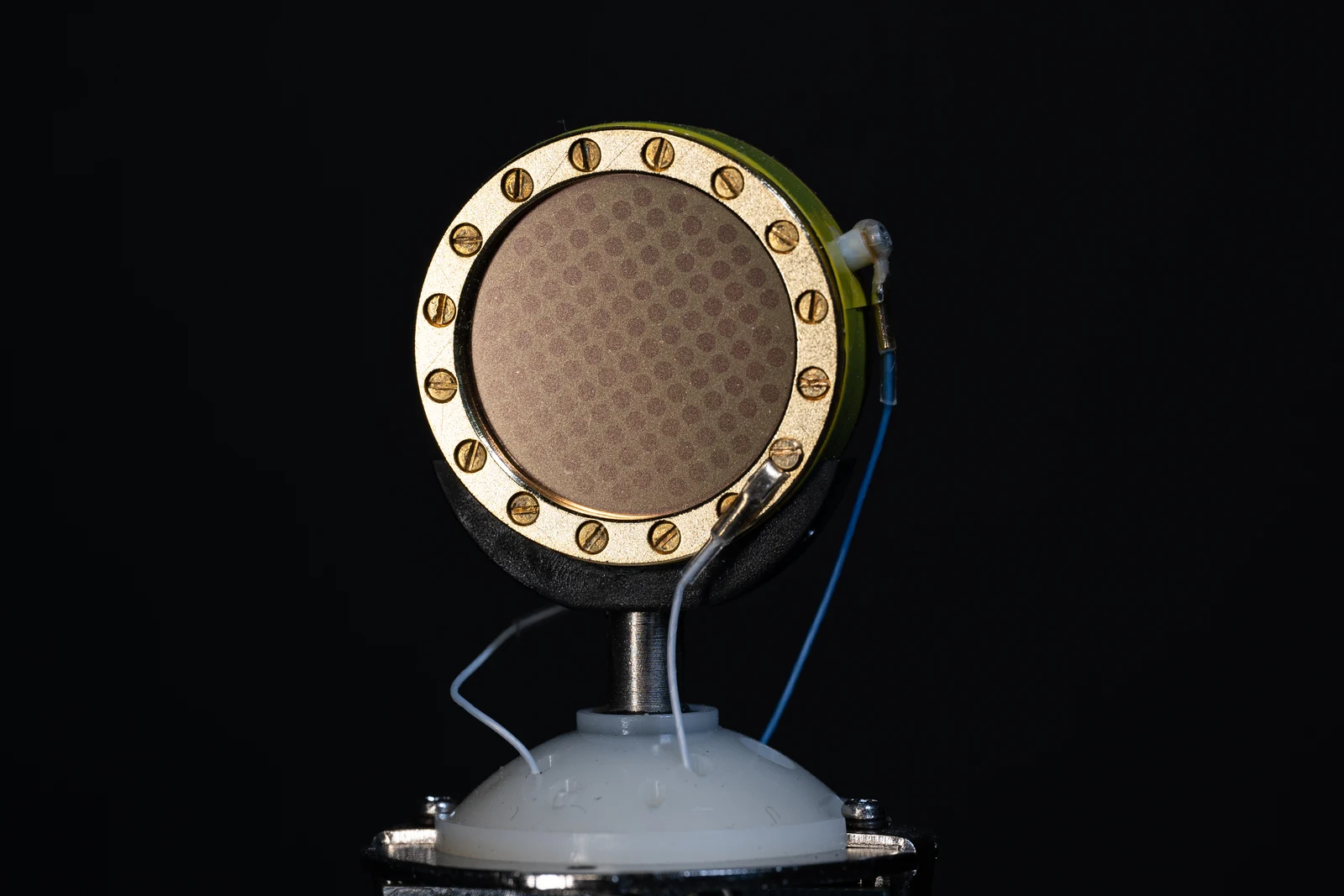
The engineering behind the sound.
AES papers and technical work on microphone electronics, recording methods and immersive audio.
Read the papers →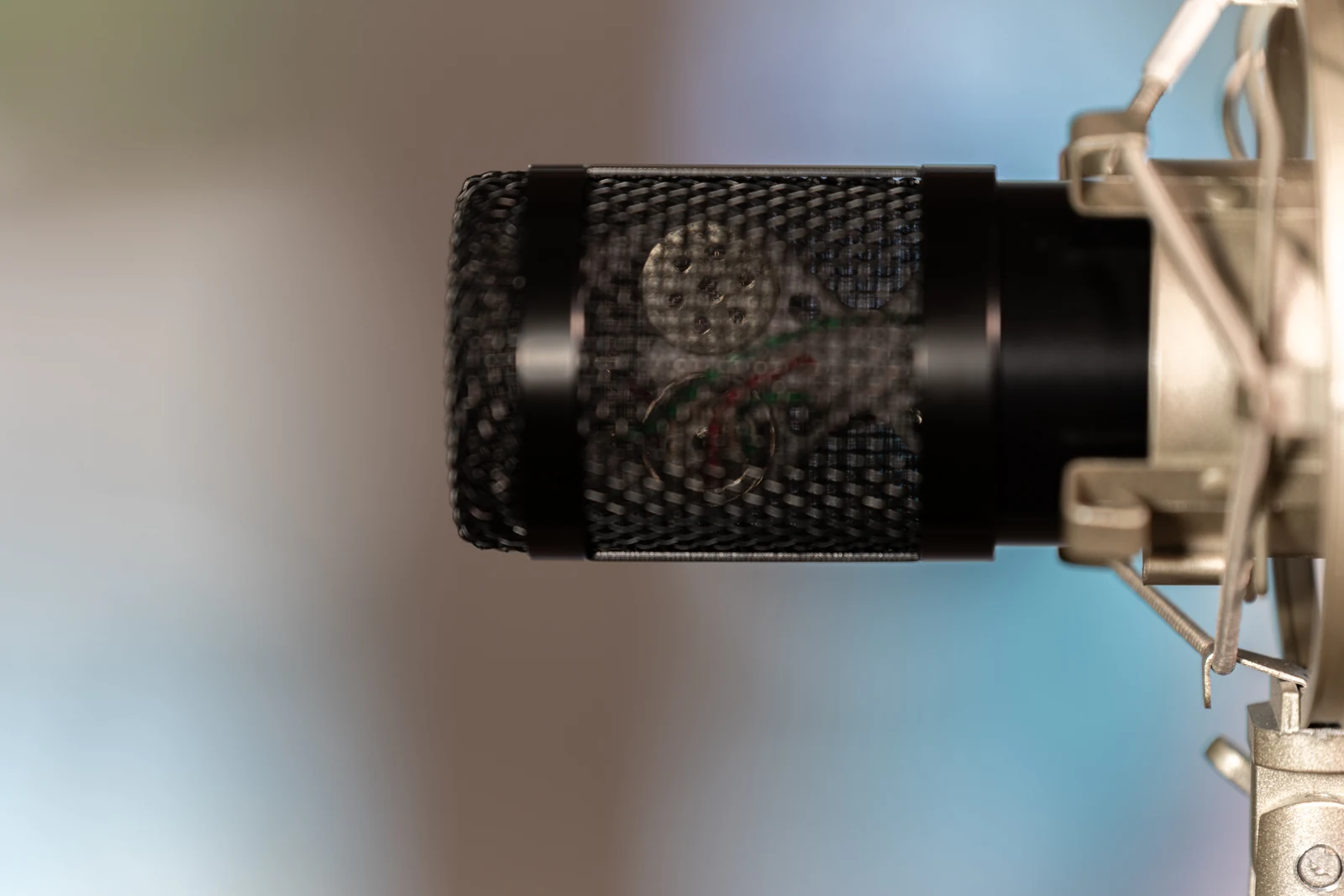
Build one yourself.
Sound Sleuth microphone designs available as streamlined DIY kits through JLI Electronics.
See the kits →Sound Samples
Hear what the projects actually capture.
Browser-friendly previews and, where useful, downloadable lossless and multichannel files. The listening library is being assembled now.
Articles
Where does the noise really come from?
The newest Sound Sleuth article follows noise from thermal motion through the microphone, preamp and converter — and shows why the room is often the real limit.
In Development
Microphones &
Recording Physics
A practical book about what microphones do, how they work, and how to build them.
Written for hobbyists, recording engineers and students, the book connects sound and hearing, microphone physics, electronics, capsules, noise, impedance converters, and the recording chain — with enough math to explain the engineering without losing the listener.
Recording Physics
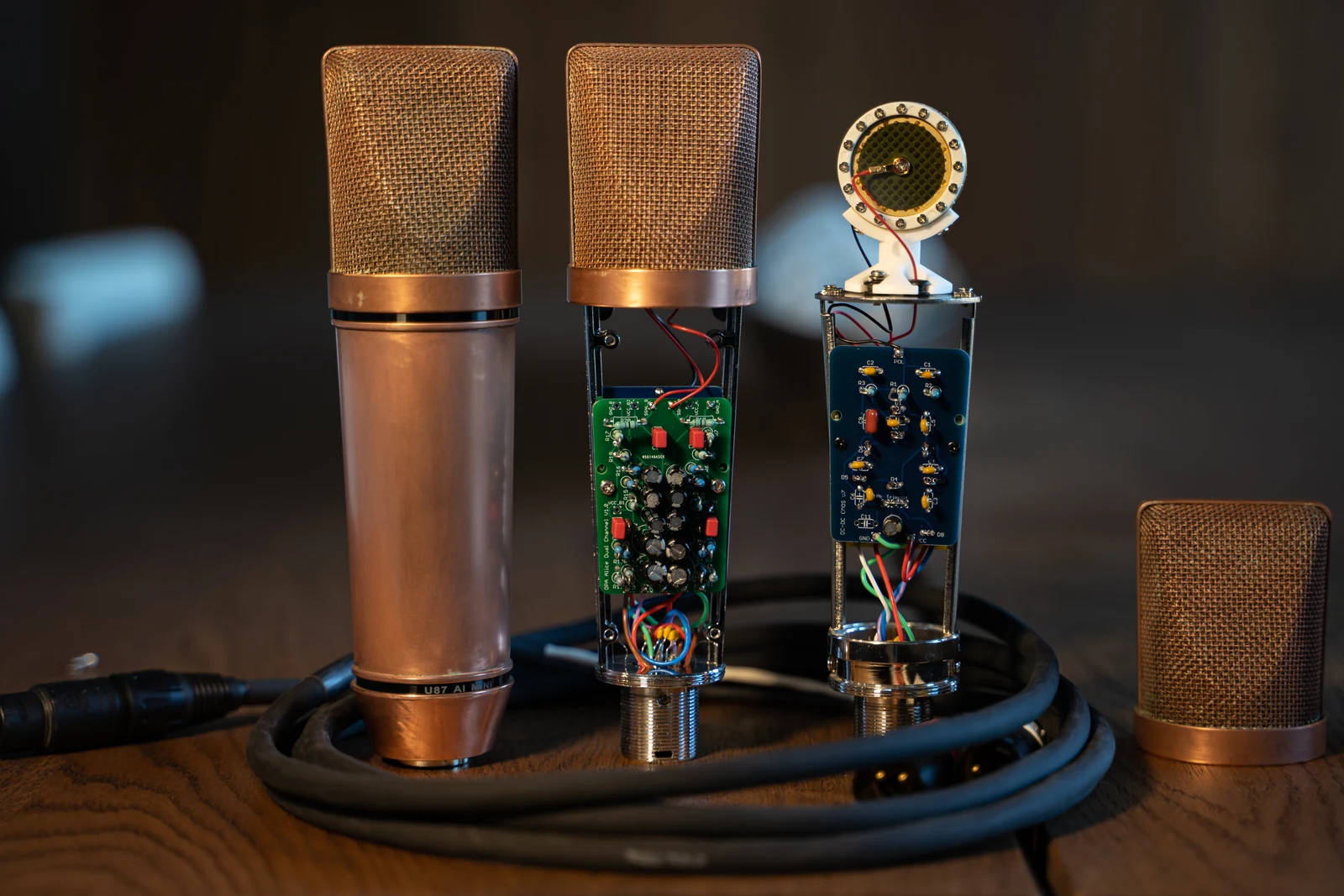
About Sound Sleuth
Curiosity manifested with a soldering iron.
Sound Sleuth grew out of decades of audio, electronics and recording work — and a continuing habit of asking: Why are we doing it this way? What happens if we build the tool a little differently?
The goal is not simply to make microphones. It is to understand sound by making tools, using them in real recordings, listening critically, and publishing enough of the work that someone else can take the next step.
More about Jules and Sound Sleuth →