
The idea
Keep the microphone clean and flexible.
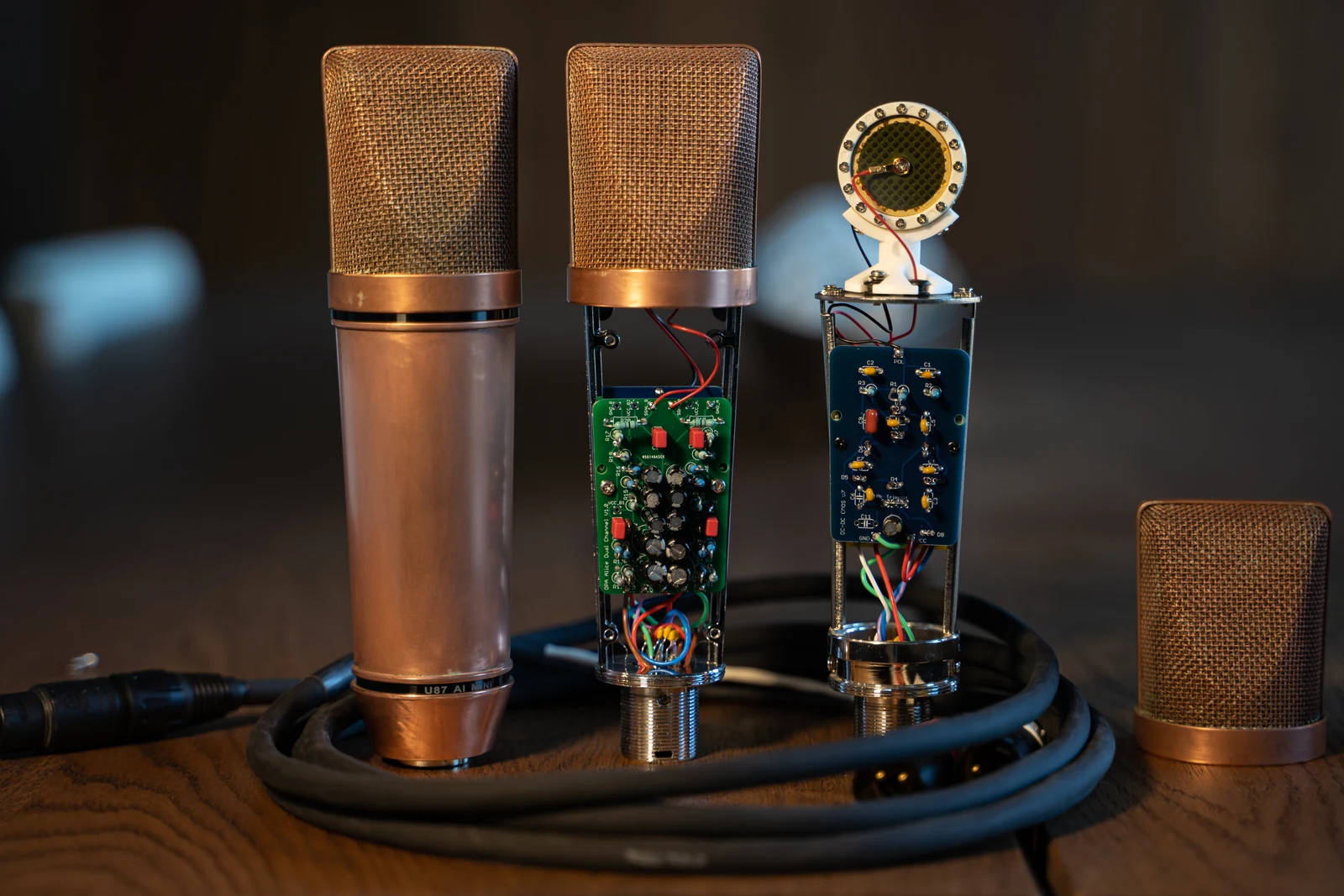
The True Condenser OPA project grew from a simple goal: use a modern, very-high-input-impedance op amp as the capsule impedance converter rather than treating the classic discrete JFET circuit as the only option. The result became the common electronic platform behind several Sound Sleuth microphone designs.
The circuit uses the OPA1642 and runs from standard P48 phantom power. With a true-condenser capsule, a separate polarization supply provides the capsule bias voltage while the OPA stage handles the extremely high-impedance capsule signal.
TSC-1 and TSC-2
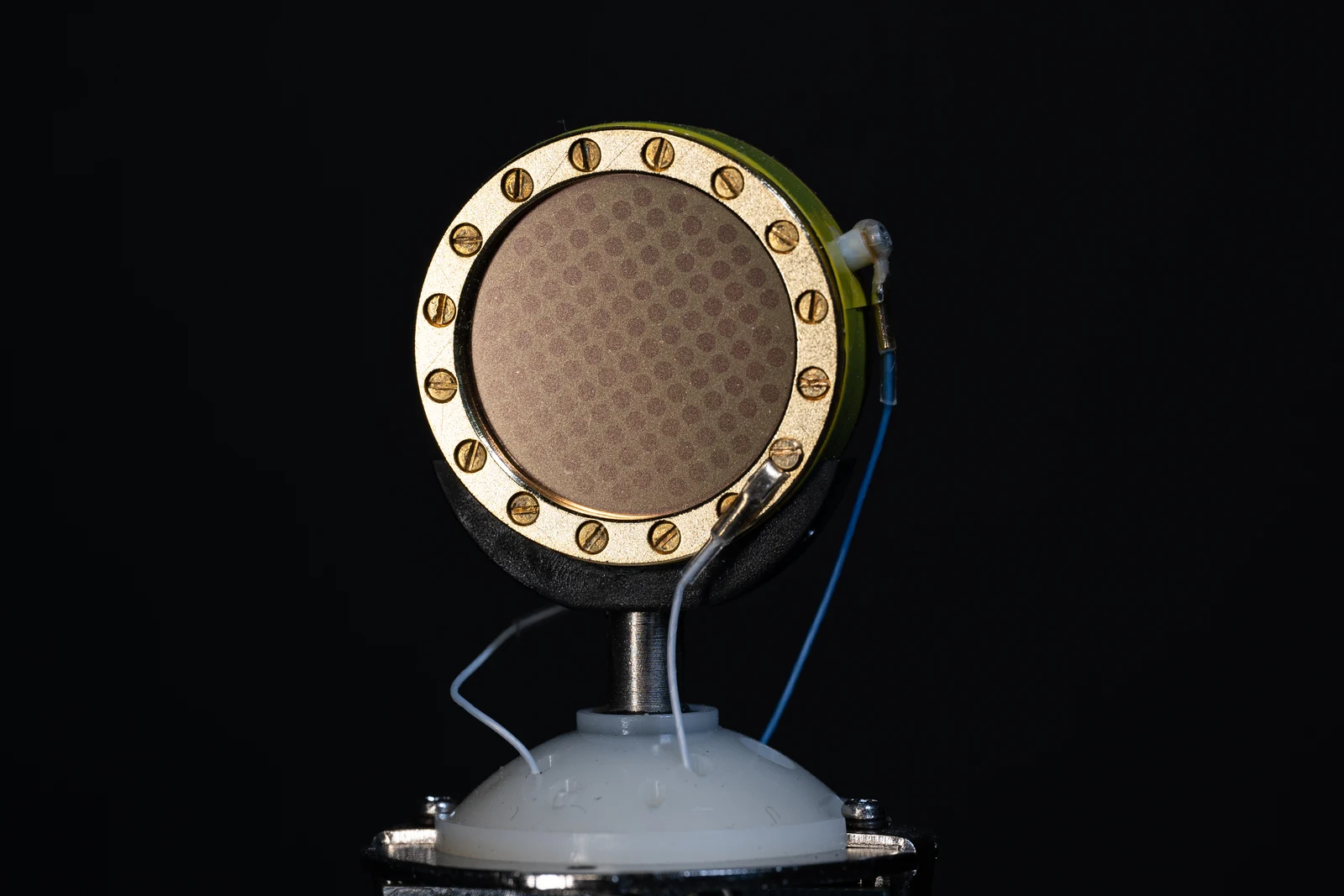
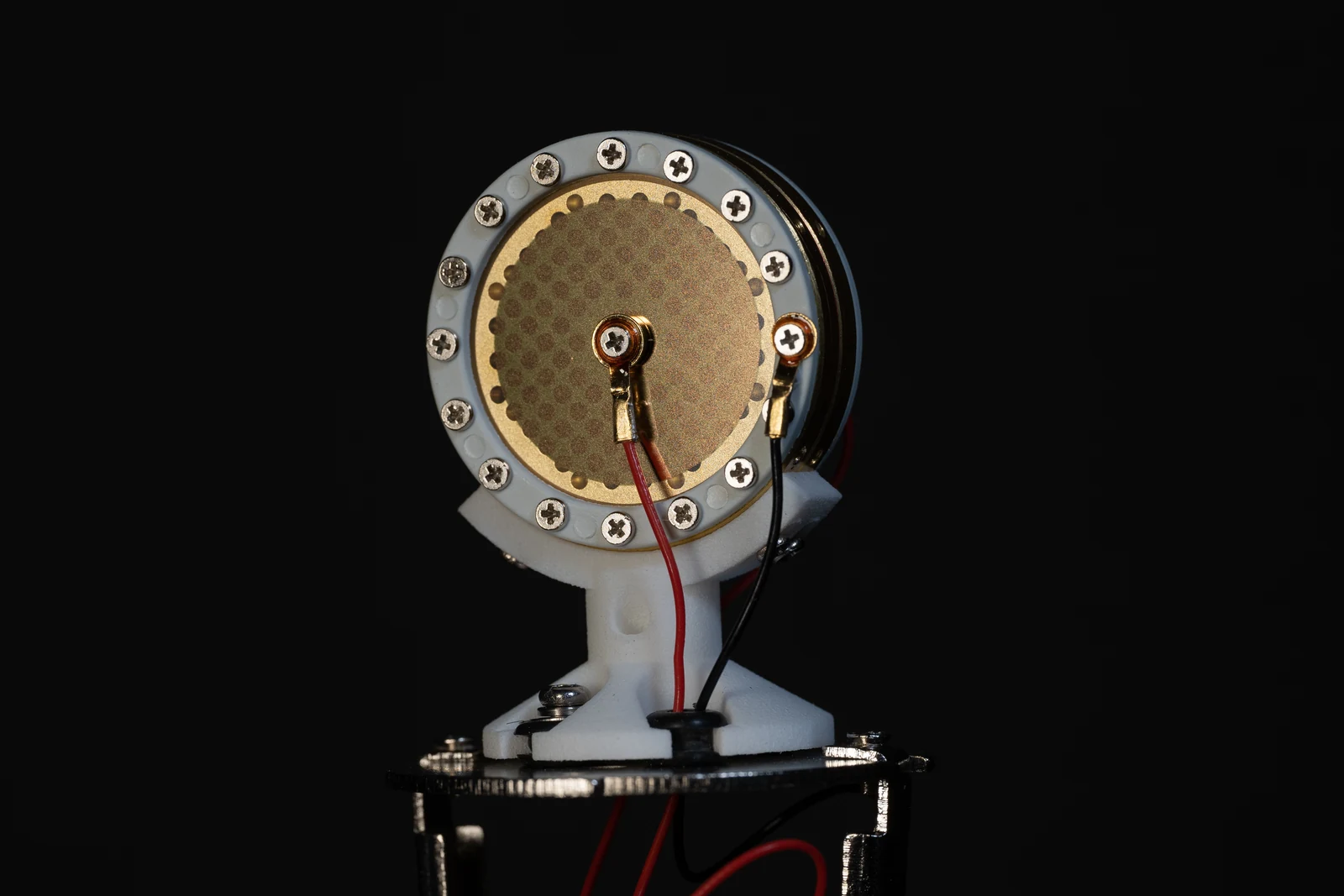
A single-diaphragm TSC-1 makes a conventional cardioid true-condenser microphone. The dual-diaphragm TSC-2 opens up a more interesting possibility: bring the two capsule sides out as independent channels and decide how they are combined after recording.
That moves polar-pattern creation out of a switch and into the recording workflow. Instead of committing to one pattern at the microphone, the two diaphragm signals can remain available for later experimentation with pattern and stereo technique.
From project to kit
The same platform is now used in JLI Electronics DIY microphone kits. That gives builders a shorter path to the finished microphone while the Sound Sleuth project material explains the ideas and provides a place to go deeper.